Midday edition · Economy
Cause of Hazelnut Branch Desiccation in the Black Sea Revealed: Climate Stress, Not Disease
Research on the branch desiccation observed in hazelnut orchards across Trabzon, Giresun, Ordu, and Samsun has concluded. The Black Sea Agricultural Research Institute announced that the drying is caused by extreme weather events, not disease.
Trabzon Seyret··translated from Turkish
- - "The Black Sea Agricultural Research Institute collected and analyzed samples from hazelnut orchards across four provinces."
- No pathogens were detected in laboratory tests; the desiccation was determined to stem from frost and extreme heat.
- Experts urged growers to avoid unnecessary chemical spraying, prune dry branches, and steer clear of excessive nitrogen use.
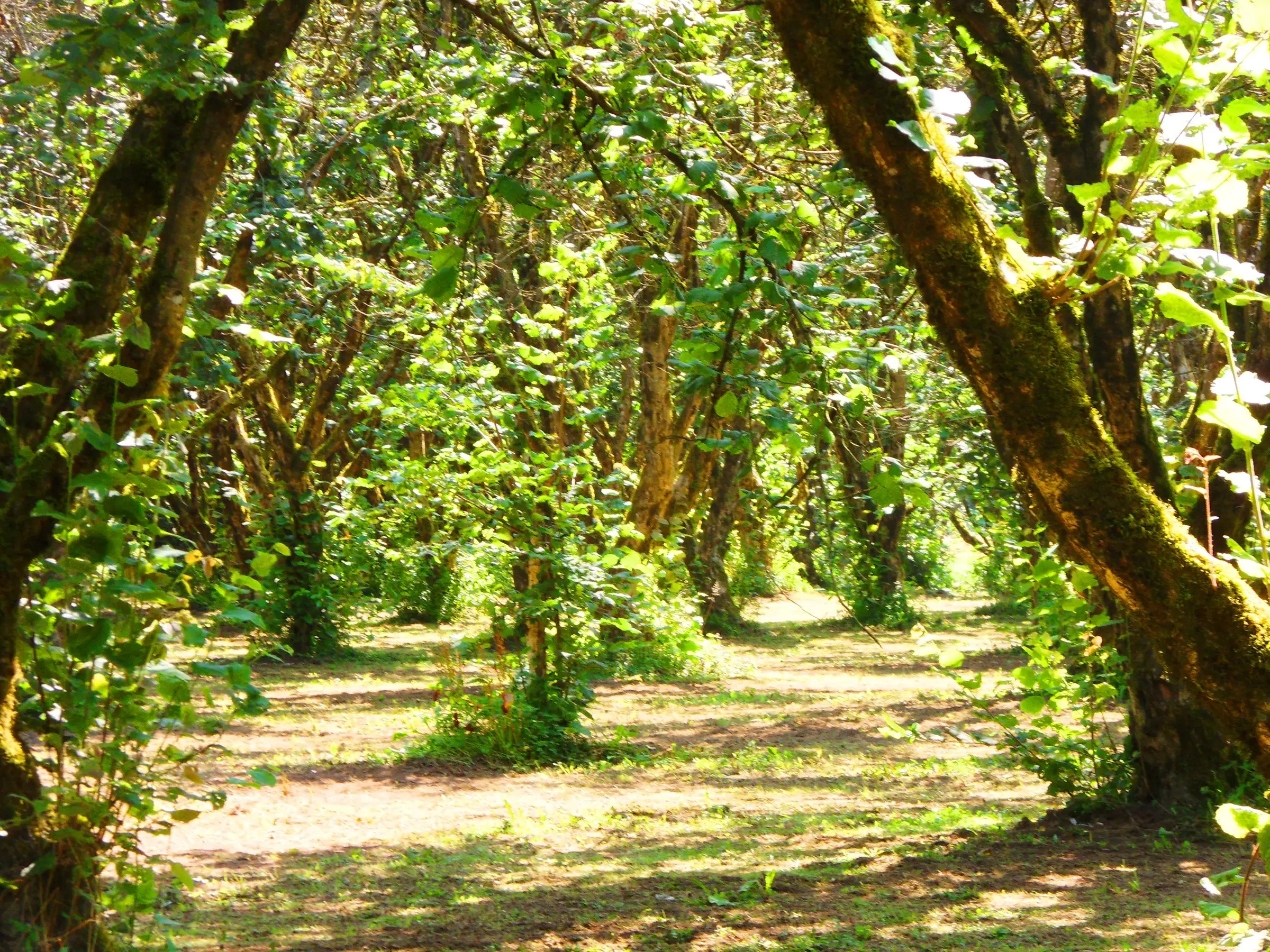
A comprehensive field study investigating the branch desiccation problem recently encountered by hazelnut growers across the Eastern Black Sea region has concluded. Taking action following reports from farmers, the Black Sea Agricultural Research Institute carried out extensive investigations across the provinces of Samsun, Ordu, Giresun, and Trabzon.
Plant pathology and entomology specialists from the institute, alongside technical teams from provincial and district Directorates of Agriculture and Forestry, collected samples from orchards. Laboratory testing and metagenomic analyses revealed that the drying was not caused by any biological infection or fungal disease.
Desiccation caused by frost and extreme heat
Sharing the research findings, Institute Director Assoc. Prof. Dr. İlyas Deligöz stated that neither field observations nor laboratory examinations revealed any disease agent associated with the desiccation. Deligöz said, “The cause of the drying is not disease, but climatic stress such as frost, excessive precipitation, and extreme temperatures.”
In the region where the biological fight against the brown marmorated stink bug continues, officials noted that chemical spraying would not resolve the desiccation worrying growers, reiterating the importance of cultural practices.
Four-point warning list for growers
Institute Director Deligöz offered the following recommendations to orchard owners seeking to protect the yield of their hazelnut bushes:
“Our recommendation to our growers is: do not carry out unnecessary spraying. Prune dry branches back to healthy tissue. Remove pruning debris from the orchard. Improve drainage and evacuate excess water. Avoid excessive nitrogen, and fertilize based on soil analysis.”
Experts shared that proper pruning and draining groundwater in hazelnut branches weakened by climate fluctuations are essential for developing new shoots. The institute will continue its scientific field studies for the future of Black Sea hazelnuts.