Midday edition · Trabzon
Construction site work begins for New Trabzon Airport: 100 million tons of sea filling
Site establishment and ground preparation works have officially begun for the New Trabzon Airport Project. In the project, which will involve 100 million tons of sea reclamation, a new 3,000-meter runway and a modern terminal building with an annual capacity of 10 million passengers will be built.
Trabzon Seyret··translated from Turkish
- - "Minister of Transport and Infrastructure Abdulkadir Uraloğlu announced that construction site work has begun on the project."
- 100 million tons of sea filling and a 6,000-meter-long protective breakwater will be constructed.
- The project will feature a new 3,000-meter runway and a terminal building with an annual capacity of 10 million passengers.
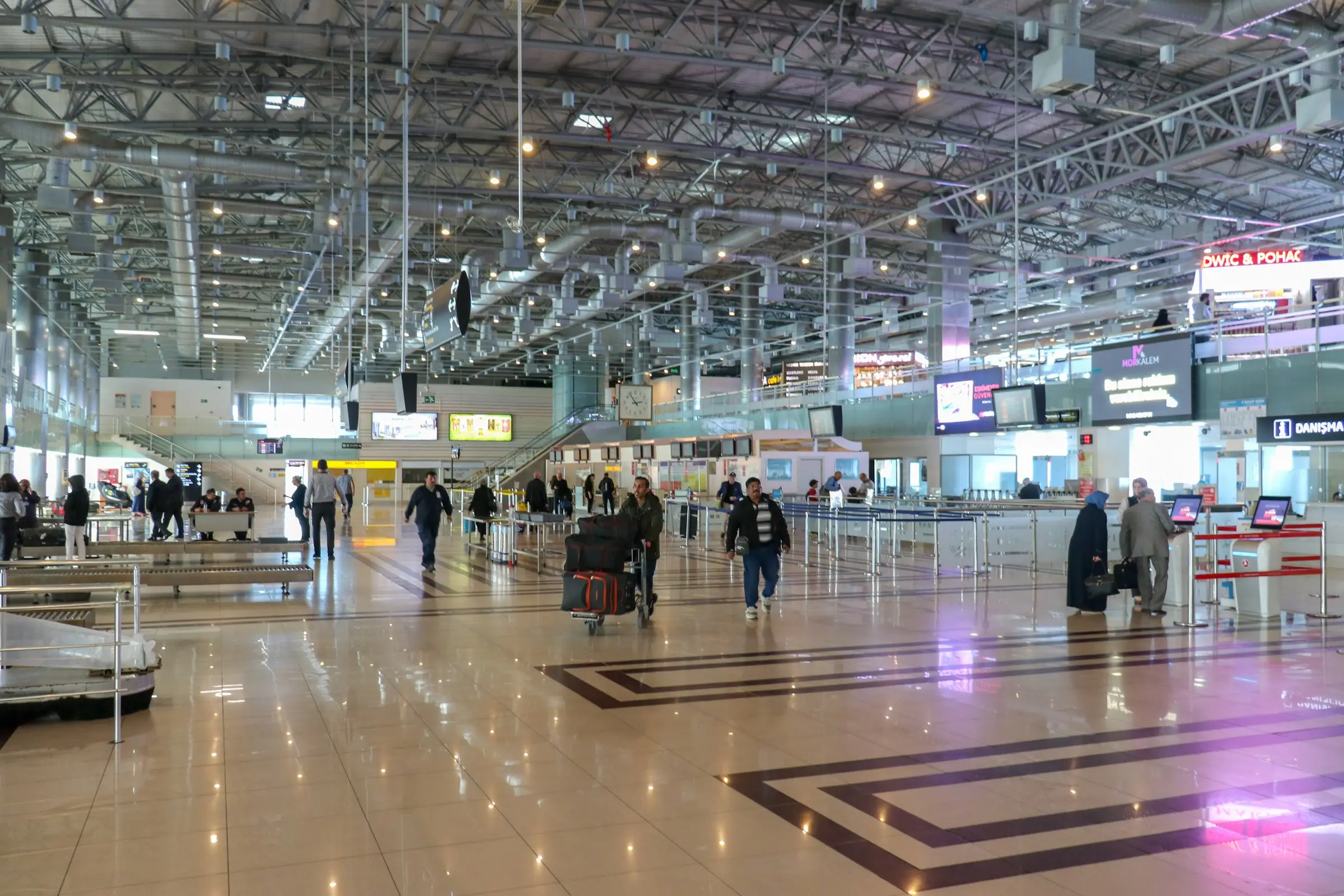
The Ministry of Transport and Infrastructure announced that site establishment and ground preparation works have begun within the scope of the New Trabzon Airport Project. Making the announcement, Minister of Transport and Infrastructure Abdulkadir Uraloğlu stated that the completion of the project will meet the city’s long-term air transportation needs.
The new airport will be the third airport in Türkiye built on sea reclamation, following Ordu-Giresun and Rize-Artvin airports. Globally, it will earn the distinction of being the sixth airport built on reclaimed sea land. For the project’s infrastructure preparations, 100 million tons of filling material will be poured into the sea. A 6,000-meter-long breakwater will be constructed to protect the reclamation area from the rough waves of the Black Sea.
The existing Trabzon Airport, with its single 2,640-meter runway, had reached its capacity limits, particularly due to Gulf flights that intensify during the summer months. In the new project, a new runway measuring 3,000 meters in length and 45 meters in width will be built. A taxiway parallel to the main runway will accompany it to facilitate aircraft maneuvers. Additionally, a main apron measuring 1,370 meters by 155 meters and an emergency safety apron measuring 400 meters by 120 meters will be established on the project site.
As part of the superstructure facilities, a 110,000-square-meter terminal building with a capacity to serve 10 million passengers annually will be built. The complex will also include a 65,000-square-meter technical block, an air traffic control tower, and administrative buildings. Following the completion of the construction site setup, the transport of stones for the sea reclamation will begin.